What changed in ODI cricket in 1996?
Before the mid-1990s, many teams treated the opening overs in one-day cricket as a period to survive. Sri Lanka turned that idea on its head. By using Sanath Jayasuriya and Romesh Kaluwitharana as aggressive openers, they attacked fielding restrictions instead of merely absorbing pressure. That approach made captains rethink how valuable the first fifteen overs could be in an ODI innings.
The Jayasuriya effect and the rise of pinch-hitting
The phrase many fans remember is the "Jayasuriya effect". He did not just score quickly; he made opponents panic early. His power and intent created a new template for pinch-hitting, where an opener was sent out with permission to attack immediately and shift the match in a few overs. Even when the innings did not last long, the damage done in that early burst could alter the whole chase or defence.
Why Sri Lanka’s 1996 World Cup strategy still matters
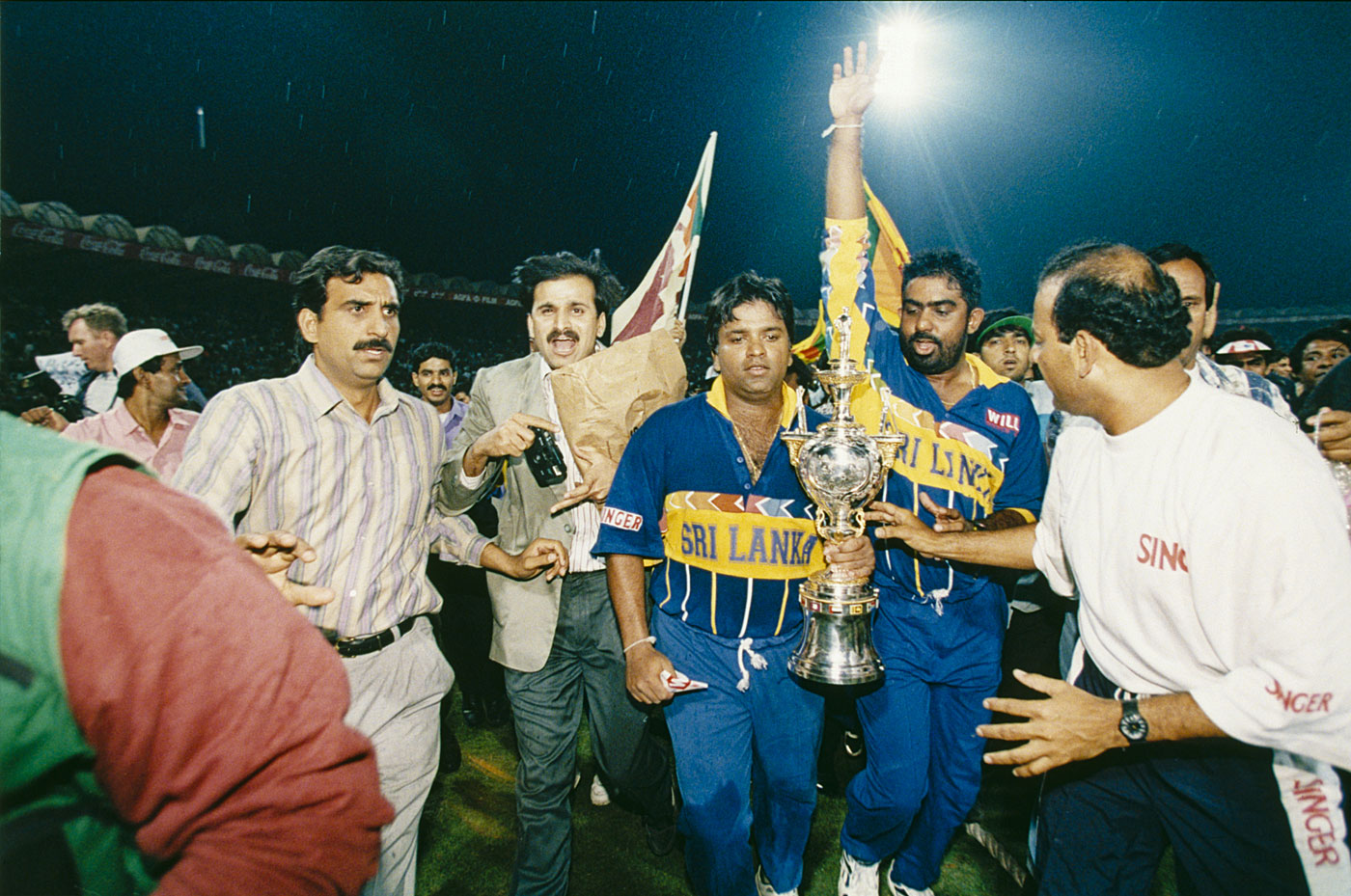
Sri Lanka's 1996 Cricket World Cup campaign is still discussed because it showed that smart ODI tactics can change the sport itself. Their batting was not only explosive; it was calculated. Fast starts reduced pressure on the middle order, changed bowling plans, and forced opponents to defend differently. Modern one-day teams that maximise the powerplay owe a lot to what Sri Lanka proved in that tournament.
Why this story still ranks with cricket fans
For readers looking for cricket nostalgia, ODI tactics history, or the origins of aggressive powerplay batting, this is one of the clearest turning points in limited-overs cricket. It is also one of the best examples of how a single World Cup campaign can shift cricket strategy for years afterward.